Why Life Feels Harder for Indonesians Despite Economic Progress
Lately, we can hear a lot of complaints from Indonesians about how economically hard it is becoming to get through everyday life. While the middle class are getting angry about rising prices, Celios reported that the 50 richest people in Indonesia own an equal amount of wealth as 55 million Indonesians.
We certainly feel the economic struggles and accelerating inequality are happening around us but unfortunately this is not something easy to know for sure. I personally believe that feelings can be a useful radar to start digging into reality. So being curious, I dug into the data.
Before going into my personal observations, I would like to tell you my approach. First, even though the increasing concern about rising prices and inequality is recent (supported by the recent Indonesian political and economic situation), I look at a longer time horizon to see whether this is actually a new problem or an old problem we were just not aware of. In order to come up with the conclusion, I focus my analysis on these main questions:
- Is Indonesia getting richer over time?
- Are Indonesians' lives getting better over time?
- Is the advancement in welfare felt equally by the poor and the rich? However, I cannot observe welfare directly, and I do not directly test the Celios wealth claim. Instead, I use GDP per capita, average employee wages, prices, Gini, and consumption data as proxies for different parts of the story.
Indonesia, the country, is getting richer over time. Our real GDP per capita, which means GDP per capita after adjusting for inflation, has consistently grown over the years with 2020 as an understandable exception (I kinda miss the unlimited work from home quota). So, our country is getting richer (good news) but how does this translate to the welfare of the people?
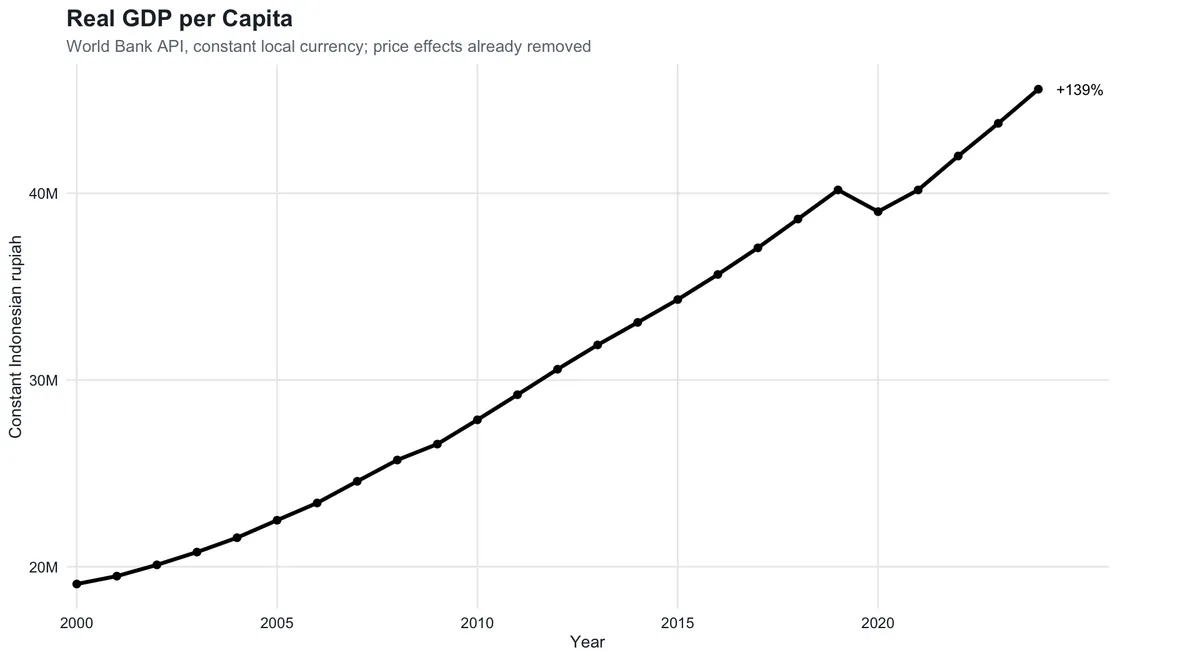
Figure 1. Indonesia real GDP per capita adjusted with inflation
Average employee wages have risen faster than CPI since 2000. This signals an increase in purchasing power over the years, at least for employees captured in the wage data. One big caveat is this data is limited to employee wages and does not include unemployed and informal workers. From 2000 to 2023, average employee wages rose faster than CPI, so measured real wages were higher in 2023 than in 2000. Comparing real wage in this 23 year long horizon is not so easy because current 35 year old adults were just little kids with totally different financial point of view.
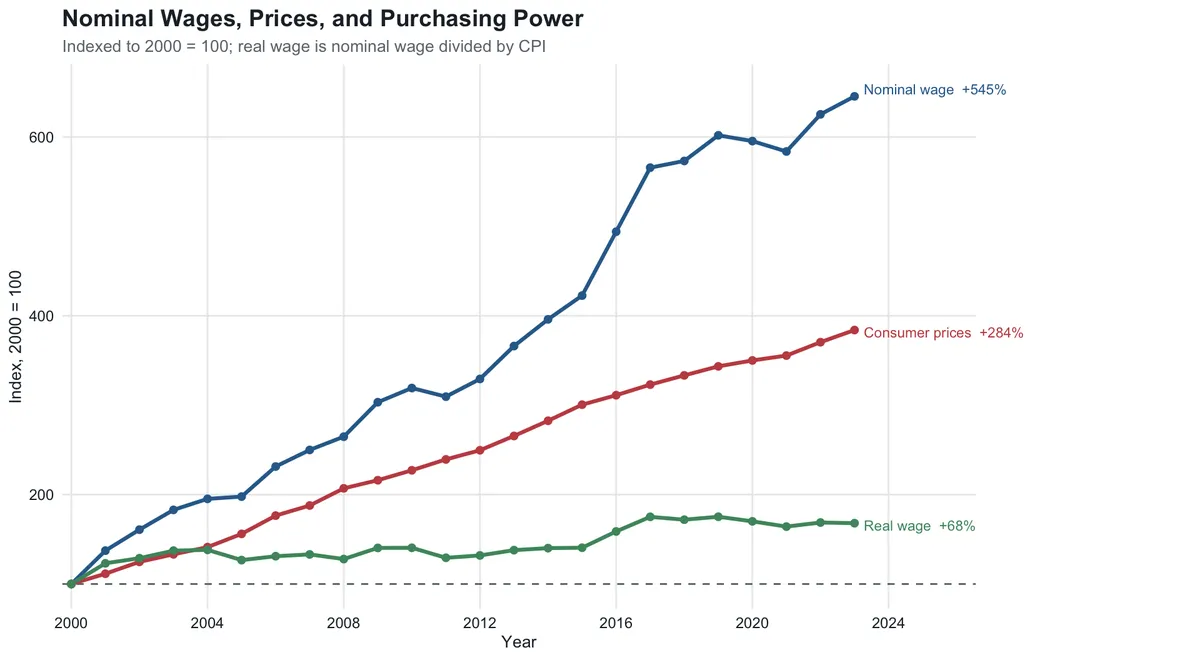
Figure 2. Indonesia nominal wages, prices, and purchasing power
Consumption growth was larger for richer groups. We can see from Figure 3 that all segments of people, from the very rich to the very poor, have increased their average consumption substantially over the years. However, the interesting thing is the richer you are, the faster your consumption grew. Does this mean inequality is getting higher?
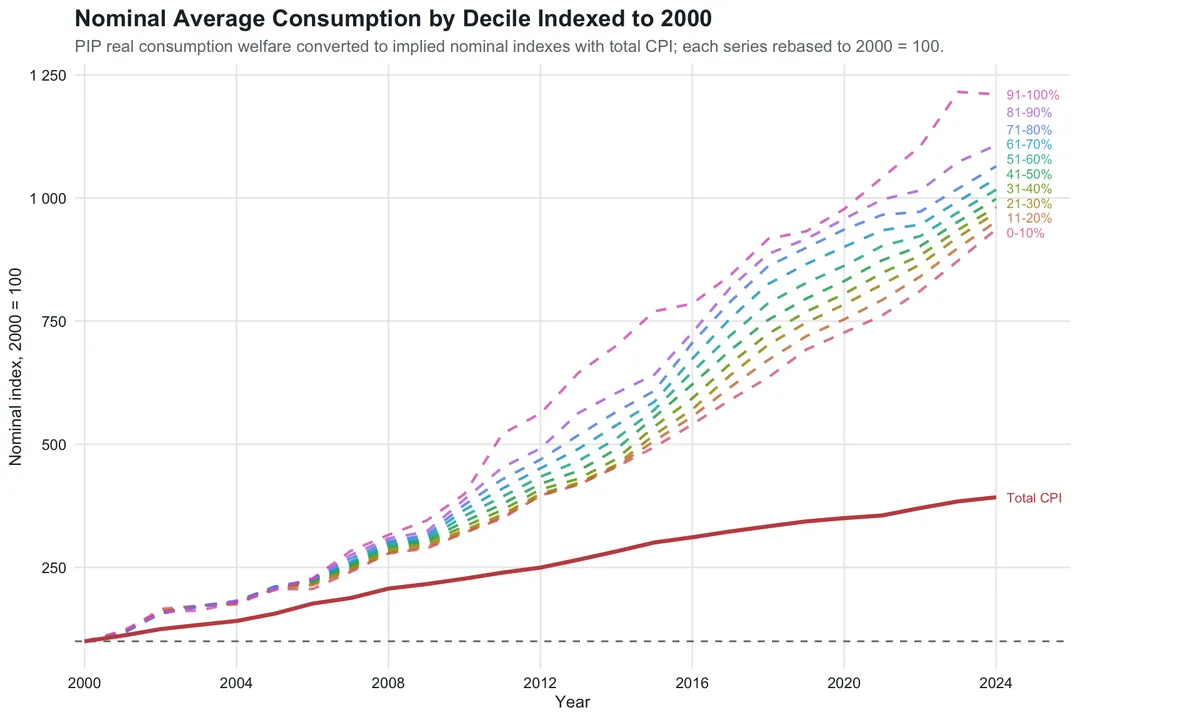
Figure 3. Nominal average consumption by decile indexed to 2000. Data is World Bank PIP consumption-based welfare, used here as a proxy for living standards.
Indonesia is more unequal in 2024 than it was in 2000. We can see from Figure 4 that Indonesia's gini index has increased from around 30 in 2000 to around 35 in 2024. Gini index is used to measure income or consumption inequality in a country. A value of 0 means everyone has the same income or consumption while 100 means all income or consumption is concentrated in one person. However, the long-run picture is mixed: inequality is higher than in 2000, but lower than its 2013 peak.
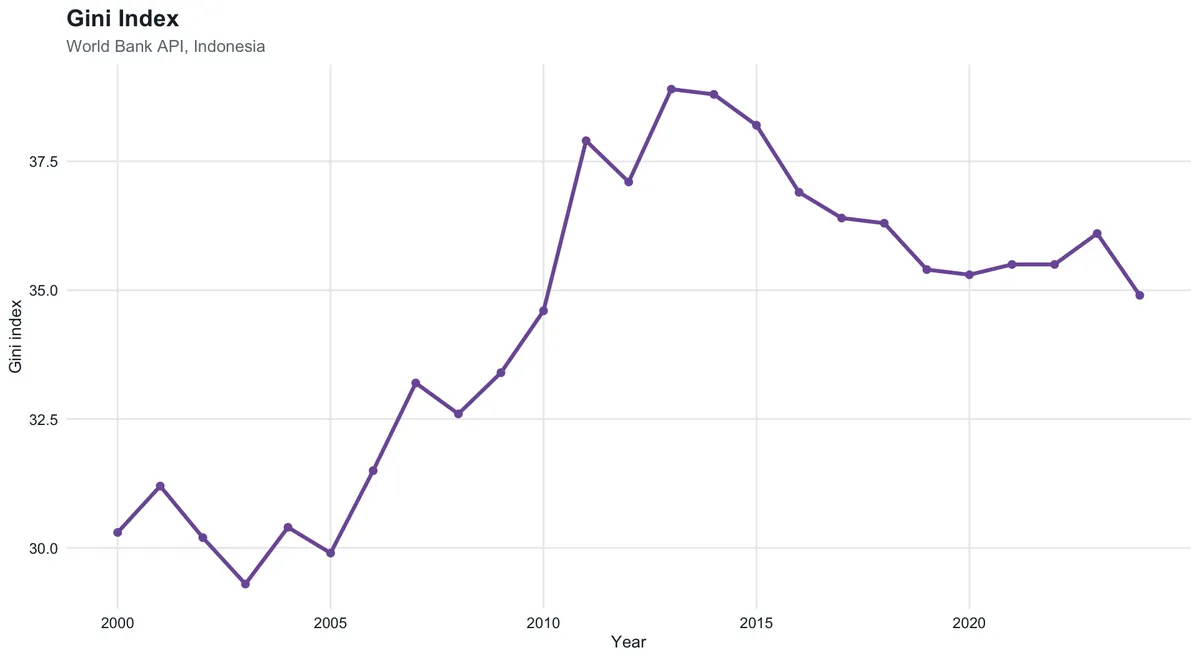
Figure 4. Indonesia Gini index
Indonesia sits around the middle of the inequality range compared to other countries. Figure 5 shows that we are more unequal than some advanced countries in Europe and East Asia but we are more equal compared to some Latin American countries. Despite Indonesia not having the most extreme inequality, I still support reducing inequality, but the challenge is to do it while preserving economic progress.
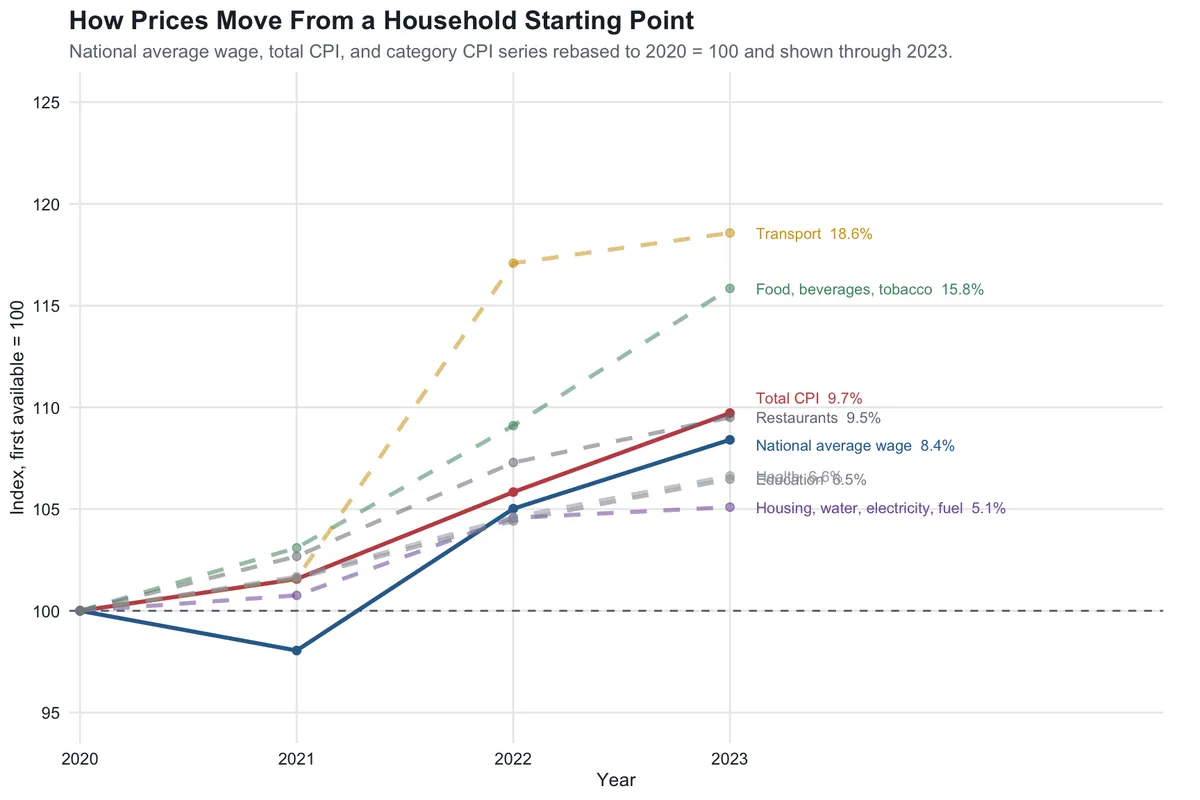
Figure 5. Gini index comparison among countries (latest available year)
Seeing the data in the past 24 years seems pretty positive except for the inequality increase. But how is the situation in the more recent years?
Average employee wages did not keep up with price increase from 2020 to 2023. Figure 6 shows that while average employee wages increased by 8.4%, total CPI (Consumer Price Index: indicator of price paid by consumer) increased by 9.7%. This means real wage decreased and did not keep up with prices. Price increase was more apparent in transport, food and beverage, and restaurants which are near and dear to us.
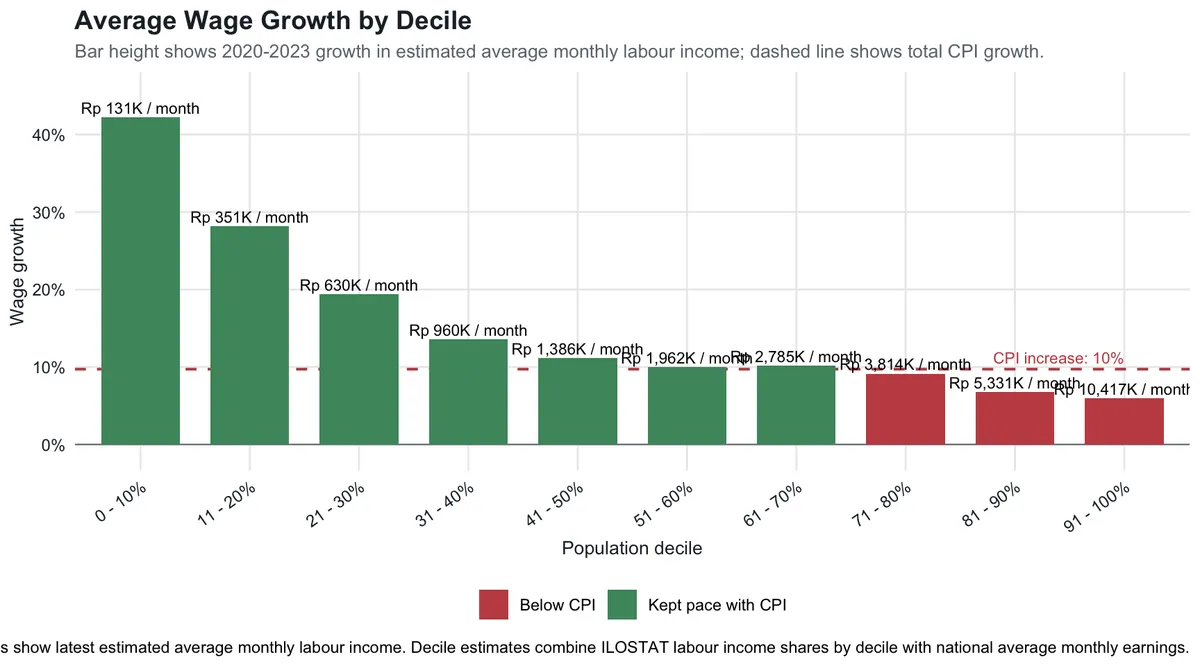
Figure 6. Average employee wage vs category CPI increase
However, the good news is that the increase of labour income is concentrated on the bottom decile. We can see that employee wage growth for the bottom distribution rose faster than CPI which suggests real labour-income gains for the bottom deciles.
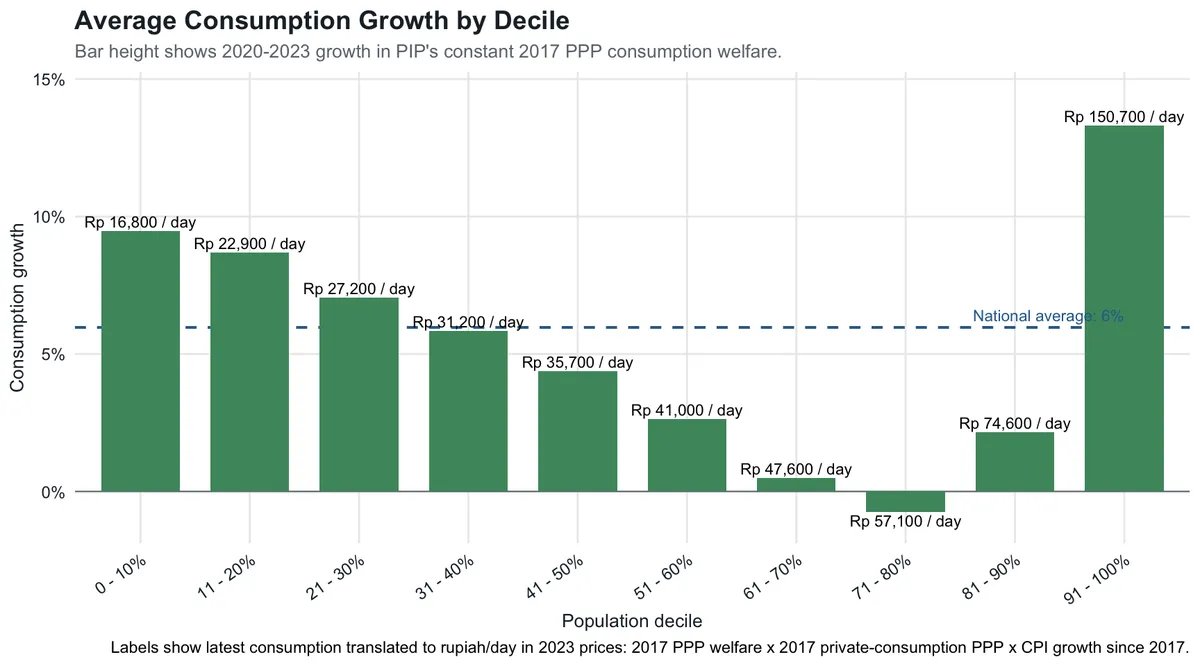
Figure 7. Average wage growth by decile 2020-2023
Middle-to-upper deciles show weaker consumption growth, which fits the story of pressure from prices and wages. Figure 8 shows that the 50th to 90th decile consumption growth is far below the national average. The top 10% is notable because their average consumption increased substantially despite weak real employee-wage growth. This might suggest increased income from other sources for the top 10%, such as non-wage income, assets, savings, or business income, but this chart alone cannot explain the mechanism.
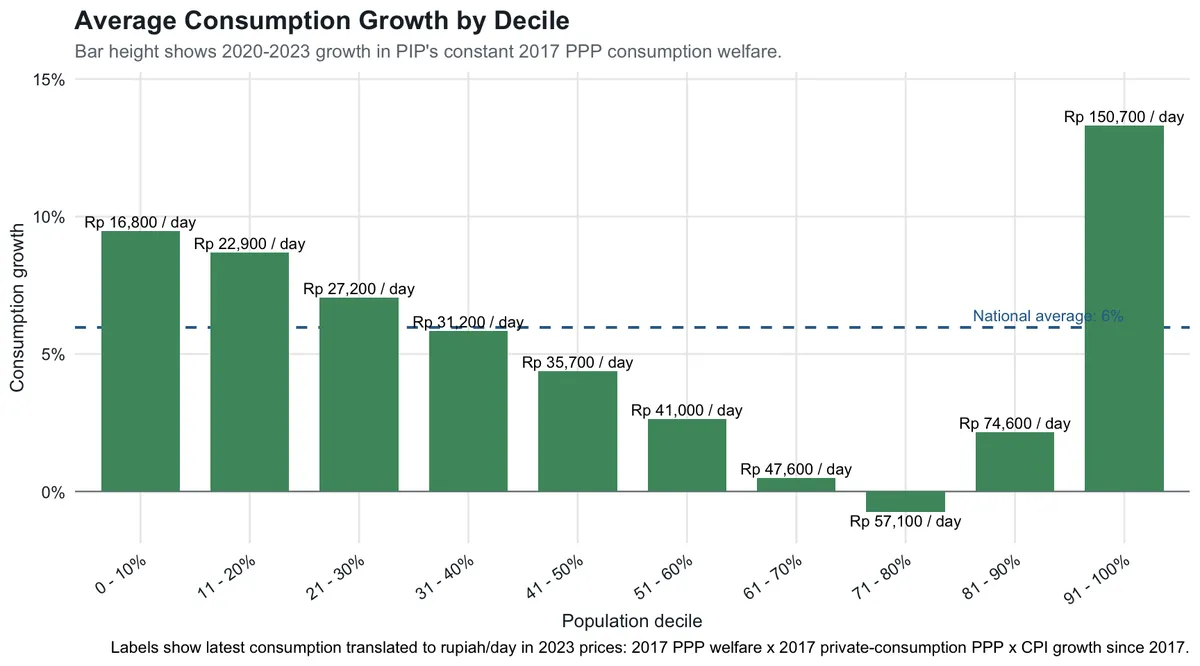
Figure 8. Average consumption growth by decile 2020-2023
Over the long run, Indonesia became richer and average employee wages rose faster than prices. But the gains were uneven: consumption growth was stronger among richer groups, and the Gini index remains higher than in 2000. The recent period adds another layer. From 2020 to 2023, average employee wages did not keep up with prices, especially as transportation and food-related prices spiked. So long-run progress happened, but it was uneven, and recent price pressure made progress feel less secure.